About
Architect by training. Product designer by practice.
I spent six years studying architecture: a five-year degree at Woodbury University, including three years working in its digital fabrication lab, then a master’s at UCLA focused on user experience and emerging technology. Architecture taught me to think in systems, circulation and scale, and to draw the plan before the detail.
In 2019 I took that into software. I started at Walmart’s innovation incubator, designing how people shop in virtual reality, a medium with no conventions to lean on. At Southern California Edison I designed the tools field crews use to inspect electrical infrastructure. Since 2022 I have been at Wongdoody, where I lead UX on Chevron’s enterprise scheduling platform and work with clients in finance and media.
The common thread is expert work: schedulers, trade specialists, inspectors. They know their jobs far better than I ever will, and the software has to earn its place in their day. That is the kind of problem I like most.
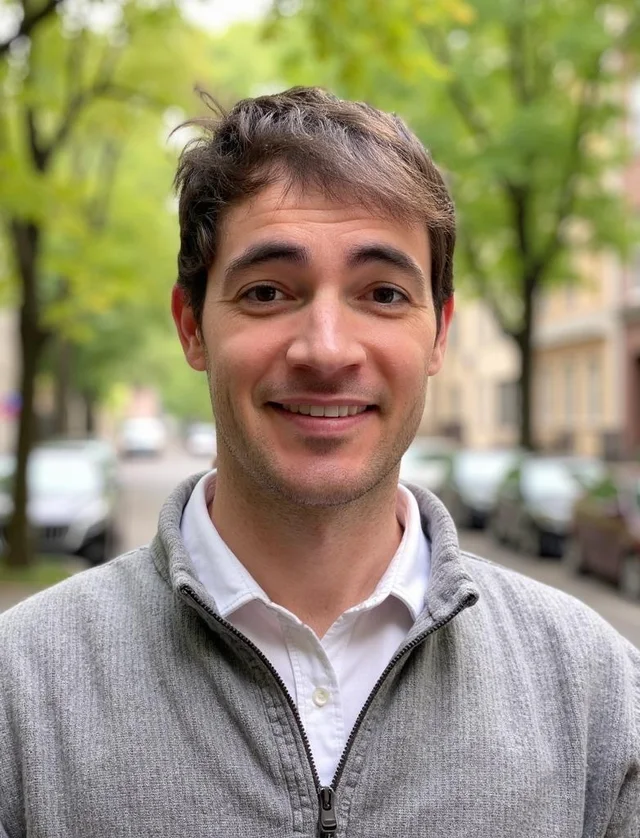
Ventura County, California
Experience
2022 — now
Lead Product Designer
Wongdoody · Los Angeles
Lead UX on Chevron's enterprise scheduling platform, a multi-role workflow tool across desktop and mobile. Adoption among its business users rose 40% over two years of continuous design and research. Also engagements with Capital Group and Walmart.
2021 — 2022
Senior UX Designer & Researcher
Southern California Edison · Rosemead
Designed an iOS and desktop platform for managing inspections of utility assets in the field. Defined requirements with engineering and operations, and ran acceptance testing with field users.
2019 — 2021
UX Designer
Walmart Labs, Store No. 8 · Walmart's innovation incubator
Designed 0-to-1 concepts for retail in virtual reality, from journey maps through 2D and 3D interfaces, and tested them in person and remotely.
How I work
- Number 01
Draw the whole system before any one screen
Architecture taught me to start with the plan. I map every role, state and scenario first, because the screen that breaks is always the one for the case nobody listed.
- Number 02
Design with the people who do the work
Field inspectors at a utility, trade operations specialists, shoppers in VR headsets. I put the design in front of the people it is for, and I keep doing it through acceptance testing.
- Number 03
Test early enough that being wrong is cheap
I would rather learn in a prototype that an expandable row loses people than learn it after launch. I report the results that didn't go my way.
Education
- UCLAMaster of Architecture
- Woodbury UniversityBachelor of Architecture
- Georgia TechHuman-Computer Interaction certification
Toolkit
- Practice
- Workflow and systems design · User research · Rapid prototyping · Design systems
- Tools
- Figma · Claude · Miro · Adobe CC · Azure DevOps
Before software
Drawings and built pieces from my architecture years: 3D modeling and rendering, CNC milling, laser cutting, and a lot of time with wood, metal and acrylic.